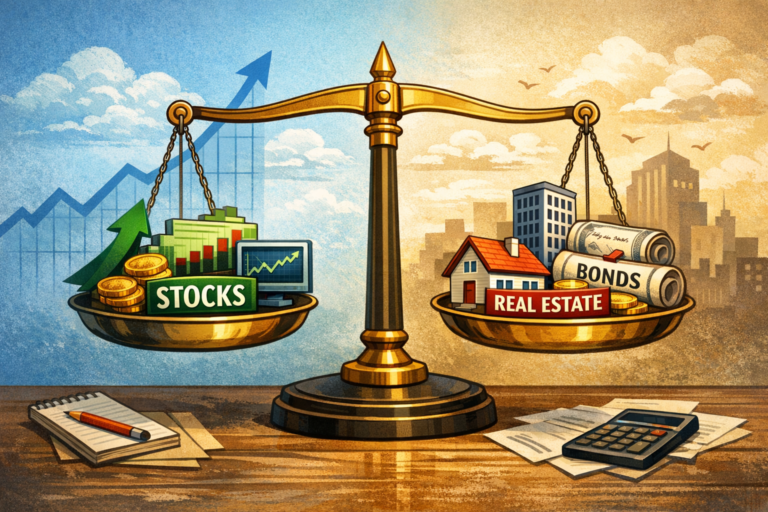

Dollar-cost averaging is an easy-to-understand investment strategy where you invest a set amount of money at regular intervals, regardless of the current price of the investment. This approach helps you avoid trying to time the market, which can be difficult even for experienced investors.
To begin with dollar-cost averaging, decide how much money you want to invest and how often you will invest it. For example, you might choose to invest $200 every month into a mutual fund or exchange-traded fund (ETF). You will buy more shares when prices are low and fewer shares when prices are high.
Step-by-step, here is how you can implement dollar-cost averaging:
- Set a budget: Determine how much money you can comfortably invest regularly.
- Choose your investments: Select funds or stocks that align with your financial goals.
- Create a schedule: Decide whether you will invest weekly, monthly, or quarterly.
- Stick to the plan: Make the investment at the chosen interval regardless of market conditions.
- Review periodically: Check your portfolio from time to time to ensure it fits your goals.
By following this method, you reduce the risk of investing a large amount when prices are high. Over time, dollar-cost averaging can help build wealth gradually and reduce the stress of market volatility. This strategy works well for beginners who want a straightforward plan and for seasoned investors looking for disciplined investing.